Activity
Book 11/18/2026
Listened on Libby
★★★★★
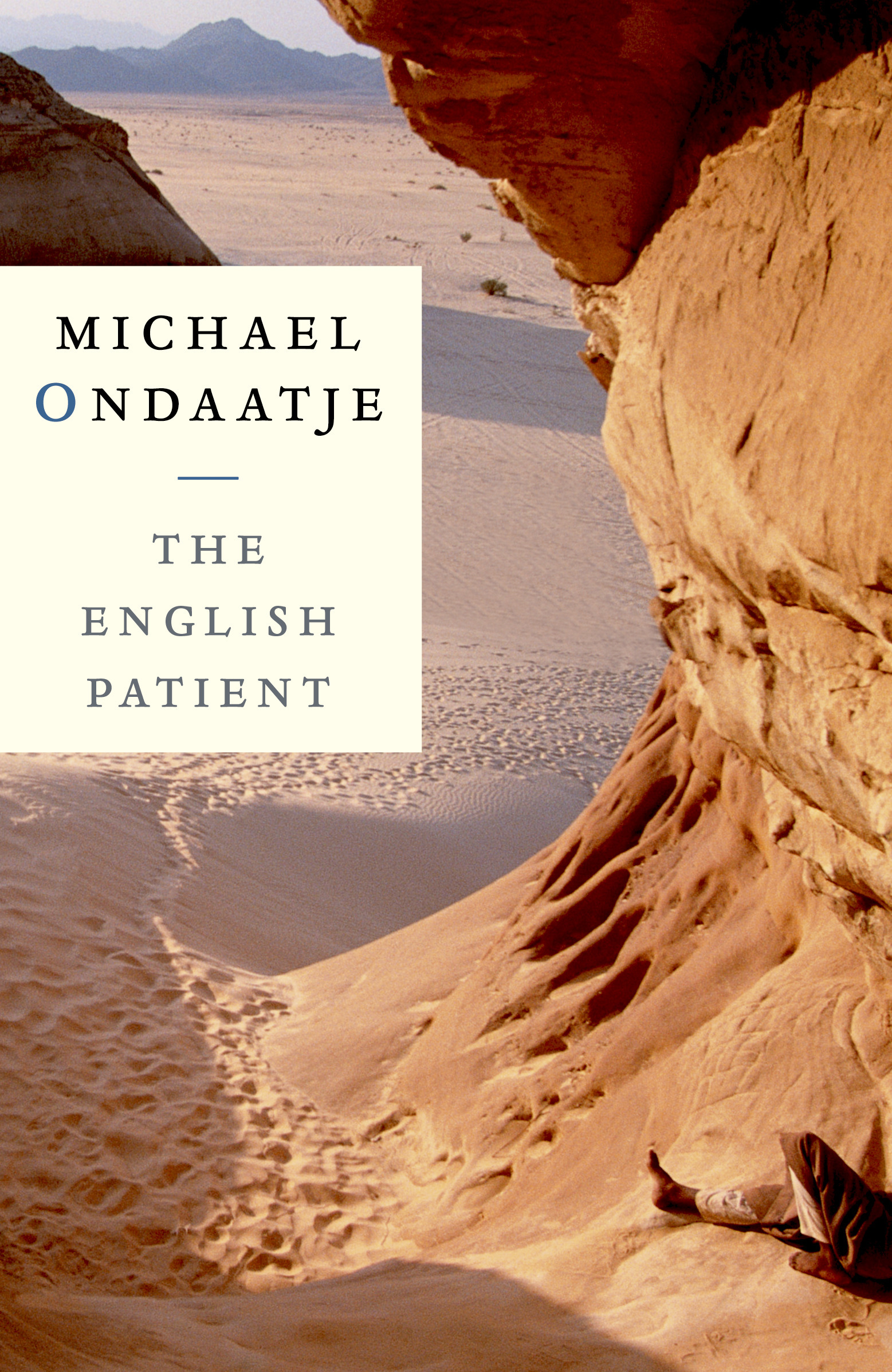
Like many people, I really enjoyed “The English Patient” film adaptation when it came out in 1996. Its epic vibes, WW2 backdrop, and sweeping deserts provided a more complex character study of something like “Lawrence of Arabia.” The cast was masterful, and I’ve loved Fiennes, Binoche, and Dafoe in many, many other movies. Over time the movie hasn’t held up as well with critics as other classics of that decade, though, and most commentary (which I don’t necessarily agree with) label it as a little too self-important. Yes, “Fargo” should have won the Oscar that year, but dismissing “The English Patient” isn’t something I’ve ever tolerated. It’s a wonderful movie and one I’ve re-watched over a dozen times over the years. Like the desert is for its central character, something about it always draws me in.
I’d always intended to read the book, but I somehow never got around to it. This was made more personally embarrassing for me when the author, Michael Ondaatje, spent winters in a house next to ours in California. I’d seen the movie so many times, loved it, but didn’t want to say hello because I’d never read the book. To be fair, I still haven’t “read” the book, and instead listened to an audio reading on and off over many long car rides. Although I usually feel guilty about audiobooks, I’m glad I took this one in as audio, because without chapter pauses and paragraph breaks, the novel’s time-travel and character swapping felt more dream-like. It took me a while to get used to, because so much of the book is descriptive rather than driven by dialogue, but once I settled in, I appreciated how much the writing choices matched the patient’s own haze under morphine.
The first thing that stood out to me about this book is how wonderfully the movie recreated its tone and structure. Now that I understand the source material, I’m impressed the movie turned out as well as it did. This isn’t an easy read, and piecing together the narratives of four main characters, each with a separate timeline, is a credit to the director. In other ways, I constantly thought to myself... this is the perfect type of book to make a movie from, since the prose is so visual. Almost everything shown in the movie, from seashells, to turbans, to a shoulder touch, is laid out in this book. You can tell Anthony Minghella felt protective of the novel and tried to stay true to it.
The differences between the two are the ending, some of Caravaggio’s motivations, and a heavy lessening of the Kip character in the movie. Outside of that last change, which feels odd considering Kip is the only non-white main character, I actually preferred the tightening of the movie script. It provides some deeper motivations for Caravaggio and centers the movie around the reveal of the patient’s fate, which is the primary mystery. I’m glad I read the book for the additional backstory on Kip. It does a better job of defining the character and explaining why an Indian sapper is in Italy and what motivates him. The book has some anti-colonialism motifs that are interesting, but would have been hard to translate to the screen without getting heavy-handed and adding lots of flashbacks. Who knows, maybe those scenes exist and are on the cutting room floor somewhere.
The ending of the book is very poetic. It’s beautiful writing and something I had to re-listen to a couple of times before I really understood what was happening. Like most of the novel, it’s told in a shared perspective where one character’s thoughts bleed into another’s actions. The morphine state of the patient himself provides the mechanism to muddy memories and connect so disjointed a narrative. I loved the writing, and the book, like the movie, will have me thinking for quite a while about its craft. It’s rare that I like a book and a movie in equal measure, but “The English Patient,” taken in either form, is a standout. The desert aches.
Book 11/5/2026
Listened on Libby
★★☆☆☆
"Voyage to the Center of the Earth" takes a long time to get into the earth. Once there, it suffers from a muddled compass in both plot and direction that makes it hard to follow just which way Harry and his Uncle are headed. Similar to my recent listen of "King Soloman's Mines" this novel has pacing issues. Unlike "Mines", I found "Voyage" a little too dry.
If you have an interest in hard sci-fi or books that try to mix real concepts (in this case a lot of geology) into the fiction you might enjoy it, but the actual storytelling here is weak and the characters are barely developed. Harry is mostly a witness to his Uncle's discoveries, both fantastical and grounded. The book had already crossed the half-way mark before any of the landscape could be described as adventures. Till then there's lots of postulating, boat rides, hikes, and then descents through rock.
I'm disappointed because I was looking forward to reading "20,000 Leagues Under the Sea" following this book, since that world seemed so interesting to me as a kid. The top level ideas seem to be present in Verne, but the execution and the adventure seems to be missing. I kept wanting there to be more exciting fiction in this science-fiction classic.
Book 10/20/2026
Listened on Libby
★★☆☆☆
This was for a stage / radio production of "The Third Man" produced in 1994 by the LA Theater Works, based on the original film. I'm a big fan of the movie and its one of my favorite noir films. My recent read of "The Quiet American" had me curious if there was a novel version of "The Third Man", which turned this up. I became more interested when I saw Kelsey Grammar and John Mahoney (!?) were the principles in this, presumably made during their "Fraiser" run.
This was a good reminder of how movies are a visual medium, because listening to the dialog and story of "The Third Man", no matter how well acted, made me realize how simple and boring the story is. As I mentioned, I love the film, which is moody, ominous and claustrophobic. This production felt tame and almost perfunctory. There's several scenes in the original movie (like the famous closing shot) that have no words, and it just doesn't translate to the page. Grammar is also the wrong sort of actor for Holly, mostly because he's too confident.
It was a breezy, quick listen at just under an hour and a half, and it's a neat little artifact of the time. It might have been more fun in person, but I'd never reach for this over the amazing movie it tries to emulate.
Book 10/16/2026
Read on Kindle
★★★★★
I remember watching a movie version of "The Quiet American" a long time ago and enjoying it, and similarly love the Ralph Fiennes / Julliane Moore version of Greene's "The End of the Affair". Greene is someone I've always wanted to read more of, and I really enjoyed my time with "The Quiet American", having forgot all the major plot points from the movie I'd seen so long ago.
Given its year of publication in 1955 it's amazing how much Greene predicted with American involvement in Vietnam. The narrator, Fowler, has a reporters sense of futility and disdain for war, living life instead in hedonistic moments while he can. His perspective was that of the grumpy asshole whose cynicism has removed much of his humanity. What he lacks in charm, he supplants with honesty. His counterpart in the novel, Aldon Pyle, the titled "Quiet American" is naive, pious and driven by ideals. They make an excellent pair and the book's best parts are dialogs between the two as the discuss the avarice of colonialism and the mindset of those in Vietnam at the time.
It's rare to read a book driven by an older protagonist, and its fun reading from someone "tired of all this shit" so to speak. Most of Fowler's commentary against Pyle feels like a man who is arguing with a past self, one before bitterness set in. The only part of the novel that felt a bit weak was Fouang, the Vietnamese woman trapped between the two men. Passive, and ornamental, we never get much perspective from her other than some hidden calculations while her two lovers fight. I'm sure that's intended, and representative of her country at whole, but she may has well have been a Mcguffin, so little did her opinion come into play.
The writing is beautiful, with several stand out lines. One relevant for the moment seems "Sooner or later...one has to take sides. If one is to remain human."
Book 10/10/2026
Listened on Libby
★★☆☆☆
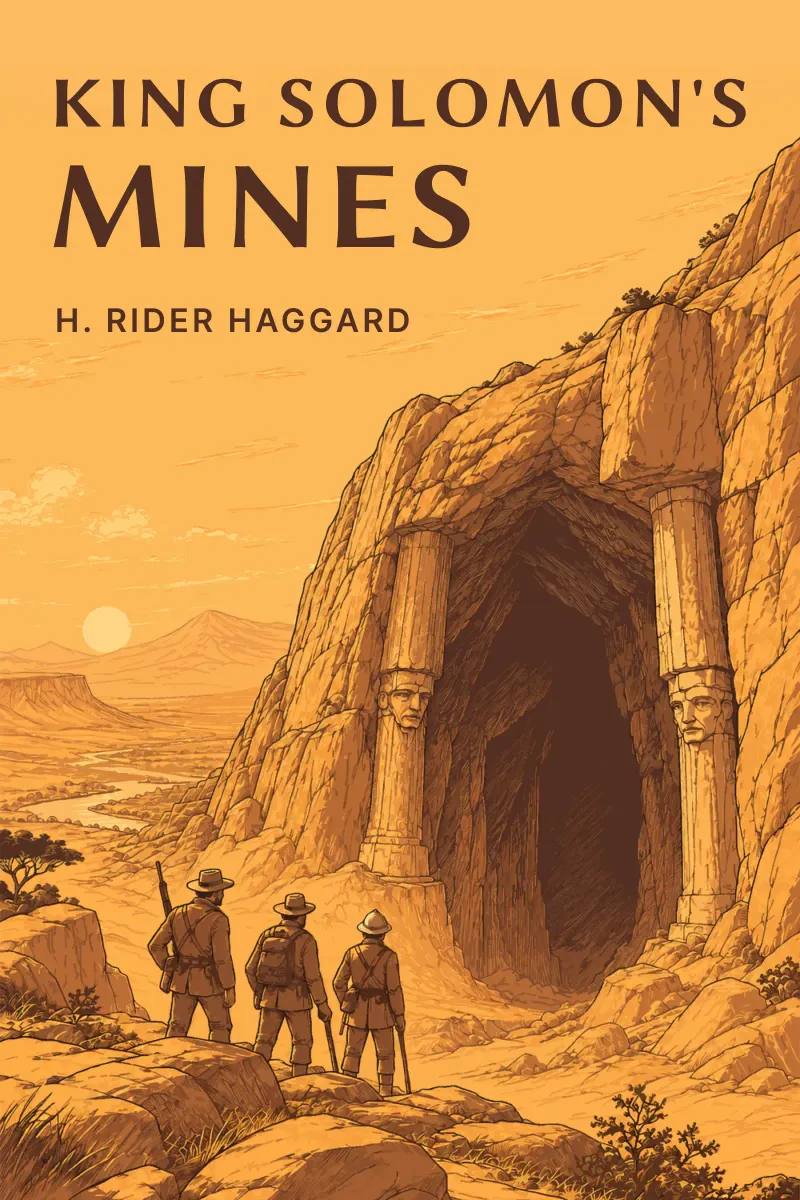
"King Solomon's Mines" was interesting from a historical context, but overall a pretty lousy book. It reminded me a lot of reading "Tarzan" and realizing that the modern telling of characters are often very different from their novel origins, which written in a different time, often carry over some overt racism. I had an interest in reading this first Alan Quartermain novel mostly because he was the one character in Alan Moore's "League of Extraordinary Gentleman" that I wasn't super familiar with. I knew he was British and an Elephant Hunter, but that's about it.
It reads like a juvenile adventure, which I'm guessing was intended at the time. Quartermain and his compatriots are always good, always do the right thing, and fight in a very gentlemanly way with honor. The book was written in the 19th century, set in Afrika, and comes with a lot of racism from that time. Although Quartmain progressively calls out his dislike of the "N word" in the first chapter, he has no problem classifying any Africans he meets as lesser to he and his friends. To Quartermain's credit, I'm not so sure that this was because of color of skin, and instead because they just weren't British! Either way it's hard to look past the "White magic" deceptions that constantly come up.
There's a lot of empire-building, British smugness throughout, and its either tiresome or endearing depending upon how you appreciate these old books. I found its held up the worst of the "League" origin novels, and I don't see any reason to continue reading the series. Like Tarzan there are over a dozen Quartermain novels. You can definitely see the origins of "Indiana Jones" somewhere in here, certainly in "Temple of Doom".
Book 9/29/2026
Listened on Libby
★★☆☆☆
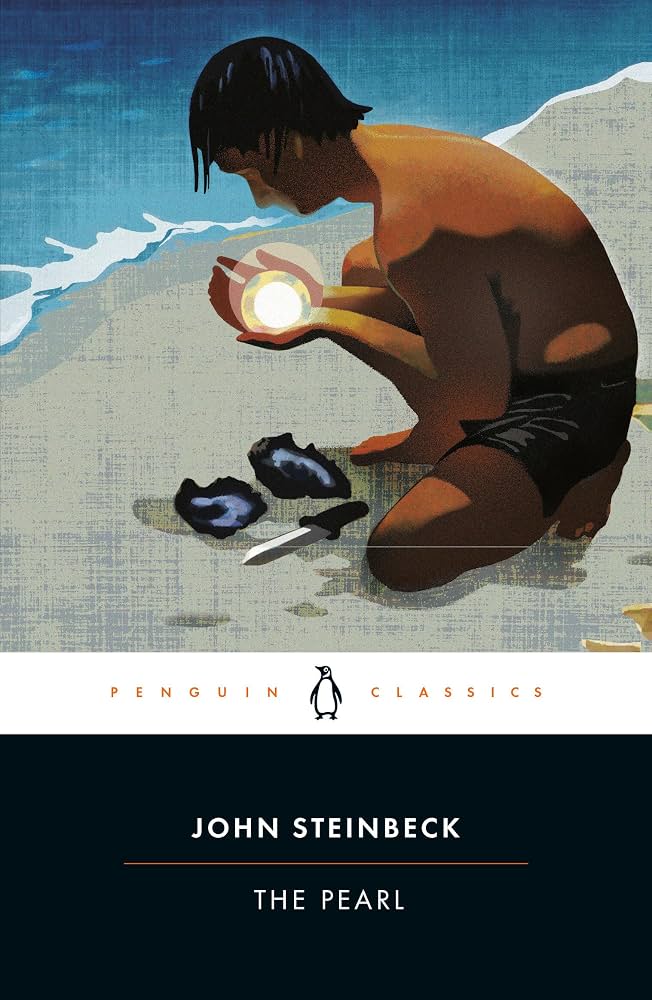
Steinbeck is my favorite author and "The Pearl" was one of the few novels of his that I'd missed. It's a quick read, with a simple construction, that tells a moral allegory you can see coming from a mile away. The writing is fine, and there are individual sentences that you can appreciate, but unlike his more famous works, there just wasn't enough meat on the bone for me to enjoy this much. Greed is natural, causes problems, and is a cancer upon us all. The setting isn't as fun as "Tortilla Flats" or "Cannery Row" and the hand is heavy and brushed broad.
Book 9/23/2026
Listened on Libby
★★★☆☆
After my enjoyment of "The Tainted Cup" I realized I'd mostly avoided the mystery genre of books and figured I'd read some of the more famous classic lit versions. Since "Cup" seems modeled soundly in Holmes territory I figured I'd check out Agatha Christie.
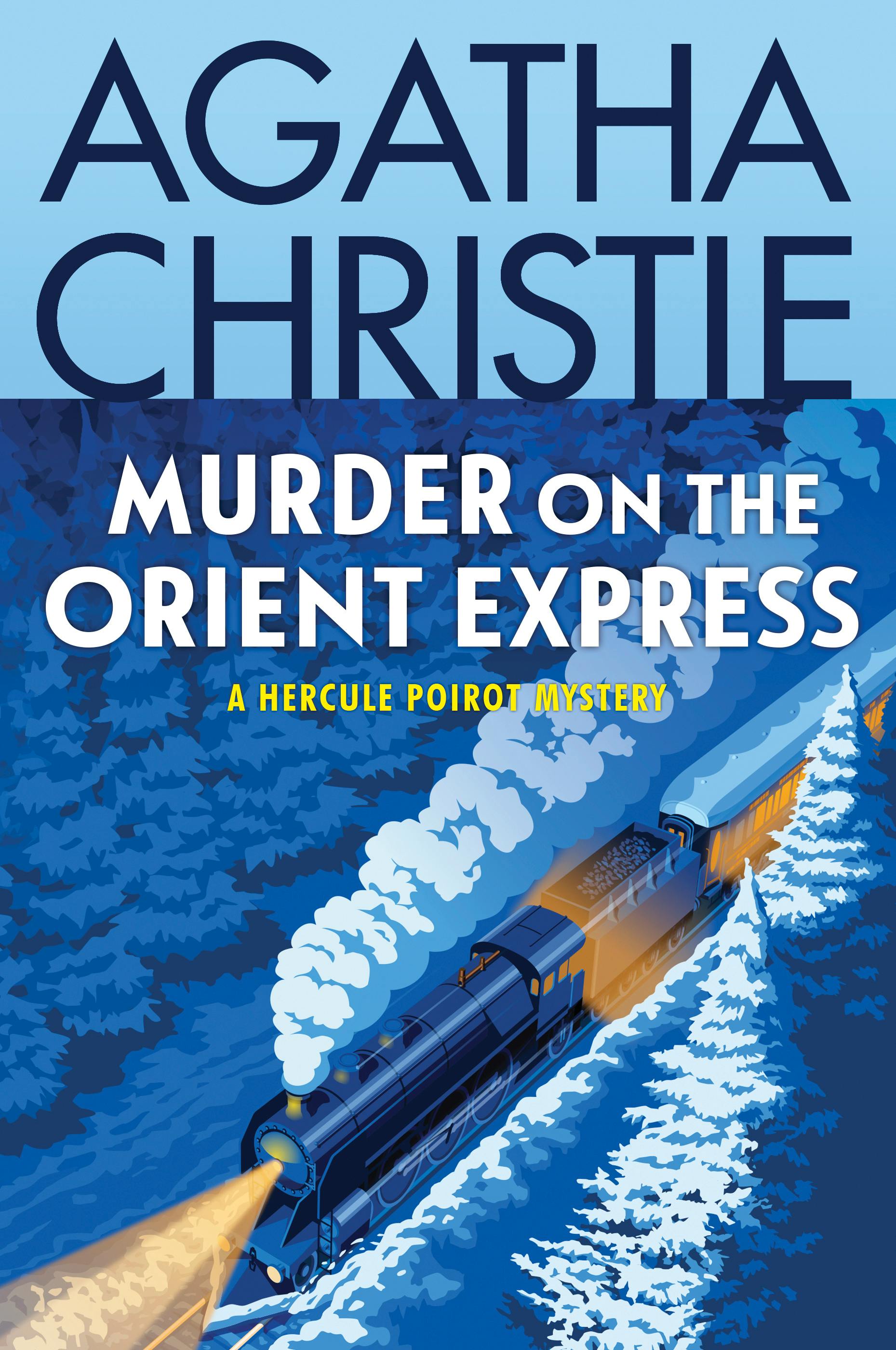
I'd never read a Poirot novel and "Murder on the Orient Express" is the start of the journey for the character. The audiobook version I listened to was narrated by Kenneth Branagh who does a fantastic job creating accents for the international cast of characters aboard the train. This was a fun listen, but Poirot operates much like a super hero in his ability to reason out evidence and there wasn't much room for the audience to come up with their own ideas. I felt less like I was reading a mystery, and instead witnessing its unbelievable solution. The big trick in this novel is a writer's construction, and took away from the fun of the setting and the character.
The writing is brisk, and I like Poirot himself. I've heard that "Express" isn't the best of the novels, simply the first one, so I might check in on the inspector at a later time when I need an easy read. I highly recommend this audio version though if you're interested.
Book 9/20/2026
Read on Kindle
Book 7/19/2026
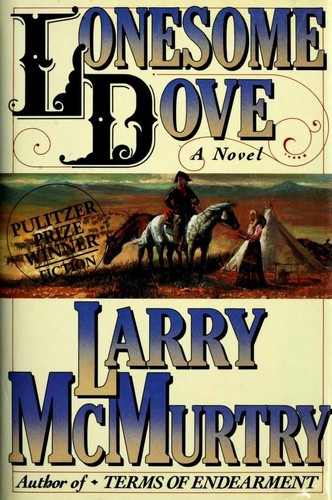
Read on Kindle
Book 7/8/2026
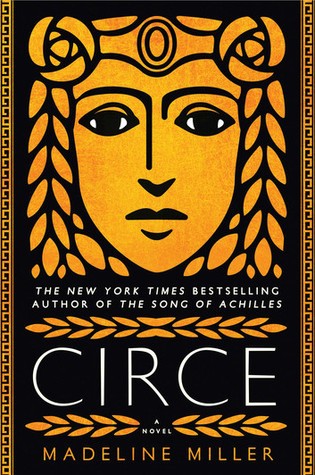
Read on Kindle
Book 3/31/2026
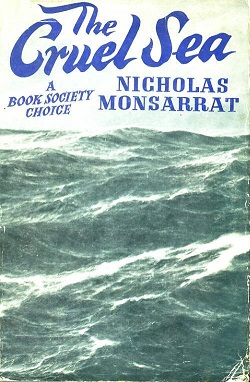
Read on Kindle
Book 2/9/2026
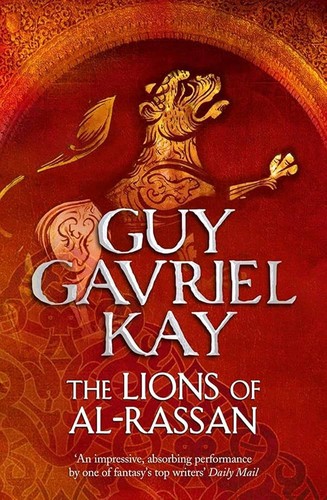
Read on Kindle
Book 12/10/2025
Listened on Libby
Book 10/17/2025
Listened on Libby
Book 9/26/2025
Listened on Libby
Book 8/9/2025
Read on Kindle
Book 8/4/2025
Read on Kindle
Book 8/3/2025
Listened on Libby
Book 7/1/2025
Read on Kindle
Book 5/17/2025
Read on Kindle